


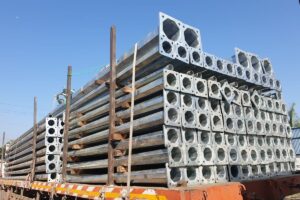
Lighting pole comes with different hight, also shape including (Octagonal- round conical-round or square).you can choose material as (steel- aluminum-fiberglass) and the base plate that secures it to a concrete footing, Key aspects for an installation are the intended use (street-garden- parking lot). There are also several methods when selcting the type of pole according to the location of installation. as we prefer fiberglass and aluminum poles on beaches, or areas with high humidity.
Pole Characteristics
-
Height:Varies significantly based on the application, walkways use shorter poles (2–6 m), while residential and commercial streets use taller poles (6–10 m) and wide streets in commercial or industrial areas might use poles from 10–14 m or more.
-
Shape:Poles are coming in different shape such as octagonal, round conical, round or square.
-
Material:Common materials include steel, aluminum and fiberglass, Wood and concrete are also can use for specific cost-effective applications.
-
Finish: by galvanizing and painting or only coating as per pole materials.
Installation Details
-
Base Plate:we connect the base plate with anchor bolts into a concrete footing, This ensures the pole stands vertically and safely.
-
Grounding: grounding via a ground rod, Ground wires are placing in the concrete during the pouring process.
-
Wind Loading: A critical consideration is the region’s EPA wind rating to prevent dangerous failures.
-
Safety Features: we design Some poles with features for passive safety, such as buckling characteristics that slow a colliding vehicle in a controlled manner.
Application Specific Considerations
-
Street/Roadway:We use poles with appropriate specifications to cover large areas, providing safety and reducing accidents.
-
Garden/Park:we use decorative poles to enhance the beauty of public and private outdoor spaces.
-
Parking Lots:These require good illumination across extensive areas for safety and visibility.
Supporting Fixture and Design
- Lighting Fixture: We install the lighting fixture at the top of the lighting pole using an arm.
- Light Cone: Light Cone: The area illuminated by the light fixture is called the light cone. The pole height, spacing between poles and lighting fixture specs are calculated to ensure uniform coverage and avoid dark areas.
-
No comment